Every PhD student starts with the same dream: “I’ll finish in 3–4 years.” But reality is very different. Some students finish on time. Some take extra years. Some feel stuck halfway.
Why does this happen?





It’s not only about intelligence. It’s about work style, lifestyle, planning, and supervision. In this blog, we’ll look at four types of PhD students and see who is most likely to finish first — and why. By the end, you’ll also know how to become the type of student who finishes on time.
Persona 1: The Perfectionist Researcher
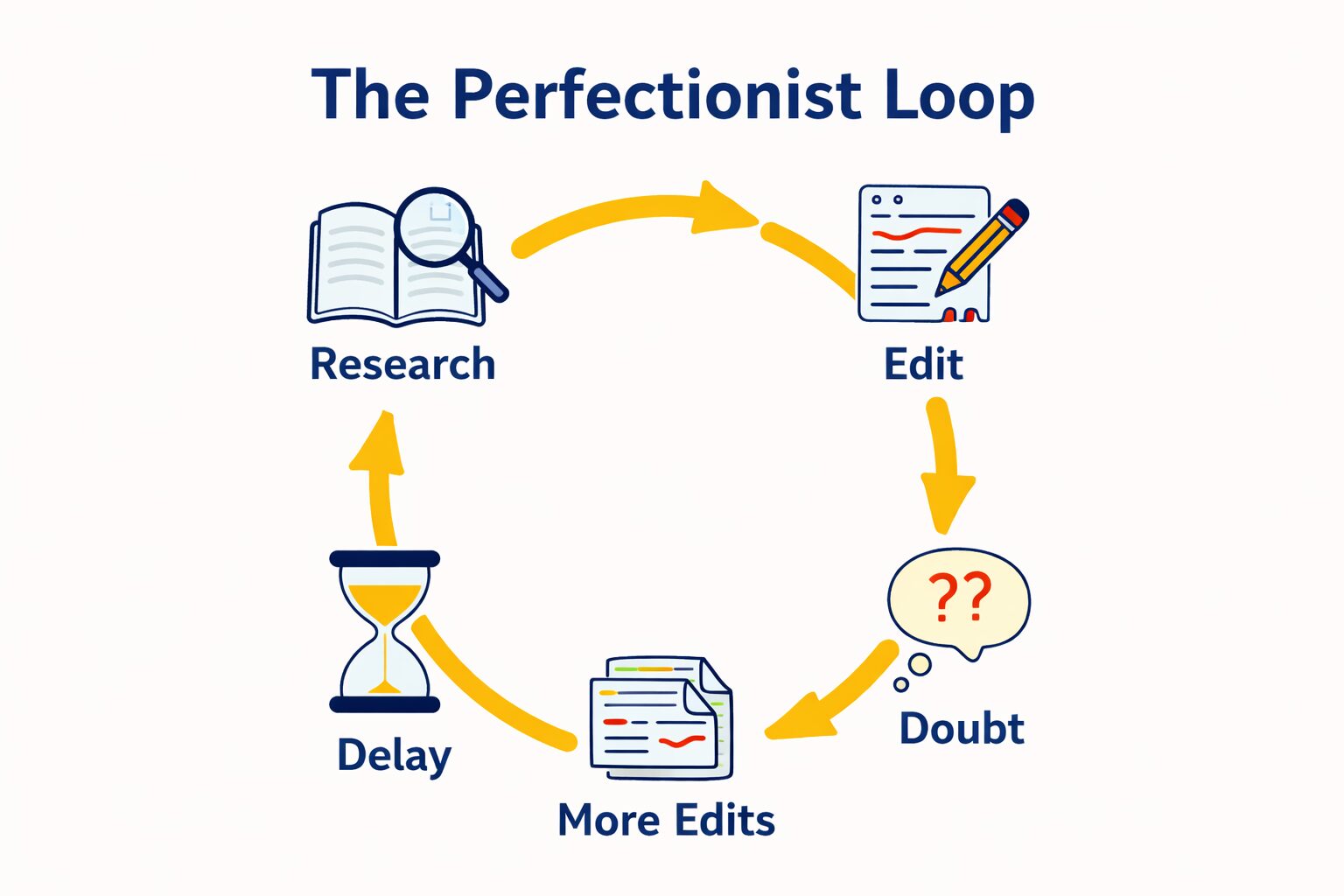
This student is very careful. They read everything. They rewrite every paragraph ten times. They don’t submit work until it feels “perfect.”
They often say,
“I just need one more week to improve this section.”
Their supervisor appreciates the quality. But there’s a problem. Progress is slow. Months go by with small improvements.
Perfectionism can become a hidden enemy. A PhD is not about perfection. It’s about making a contribution and moving forward.
Likely outcome: Strong thesis, but risk of delays.
Lesson: Done is better than perfect.
Persona 2: The Busy-but-Scattered Student
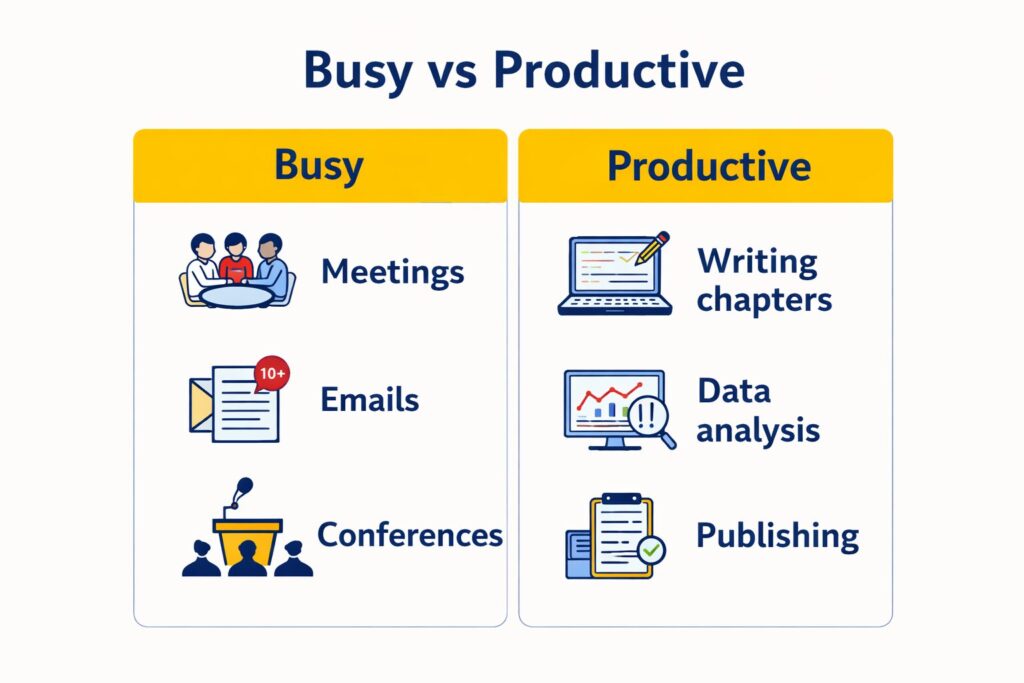
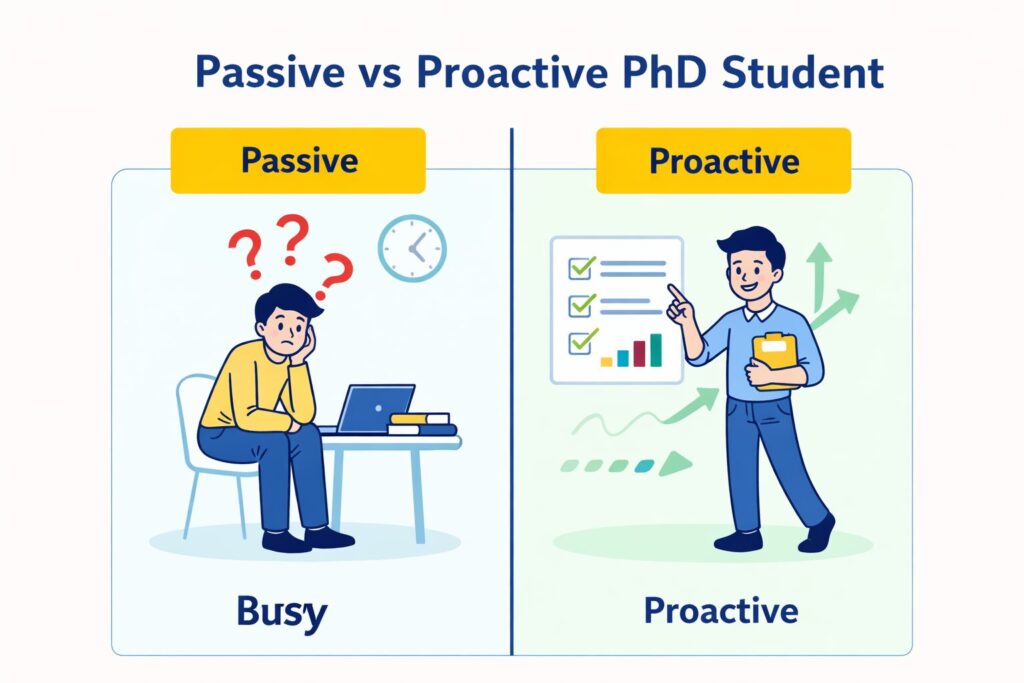
This student is always “working.” They attend conferences. They help others. They join side projects. They say yes to everything.
Their calendar is full, but their thesis chapters are empty.
They confuse being busy with being productive.
Their supervisor may not even realize the delay because this student appears active and involved. But without focused writing and analysis time, the PhD slows down.
Likely outcome: Many activities, slow thesis progress.
Lesson: Focus beats busyness.
Persona 3: The Lost-without-Guidance Student
This student depends heavily on their supervisor. If meetings are regular, progress happens. If supervision is slow or unclear, the student feels stuck.
They often wait too long for feedback. They hesitate to make decisions alone.
This type of student can struggle if the supervisor is busy or hands-off. The PhD becomes reactive instead of proactive.
Likely outcome: Progress depends on supervision quality.
Lesson: A PhD student must learn to drive their own project.
Persona 4: The Strategic Finisher
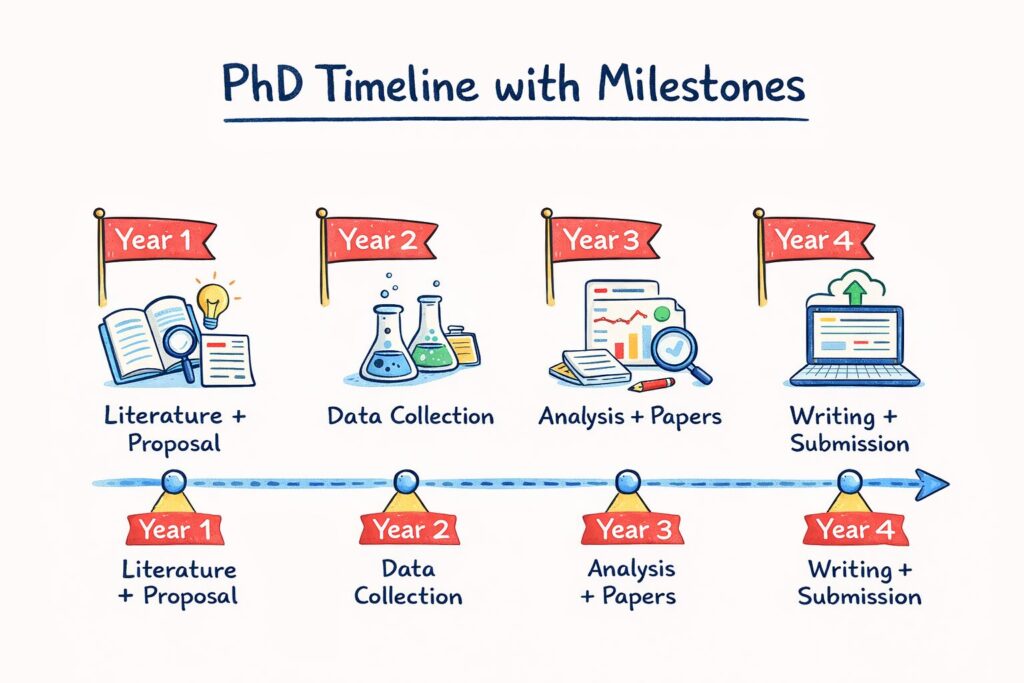
This student treats the PhD like a long project with milestones. They set deadlines. They write even when the writing feels messy. They submit drafts regularly.
They don’t wait for perfect conditions. They work with feedback instead of fearing it.
They balance life and research. They take breaks. They avoid burnout. They focus on what matters for graduation, not only what is interesting.
They also communicate clearly with their supervisor and keep meetings focused.
Likely outcome: Finishes on time with solid work.
Lesson: Strategy beats stress.
So… Who Finishes First?
Let’s compare them.
The perfectionist has quality but risks delay.
The busy student looks active but lacks focus.
The dependent student struggles without strong supervision.
The strategic finisher moves steadily and avoids major delays.
The clear winner is Persona 4: The Strategic Finisher.
Not because they are smarter. But because they manage time, expectations, and progress better.
How You Can Become the Strategic Finisher
You don’t have to change your personality. You just need to adjust your habits.
Start by setting monthly goals instead of only yearly goals. Break big tasks into smaller pieces.
Write regularly. Don’t wait to “feel ready.” Early drafts are supposed to be messy.
Schedule focused research time. Protect it like an appointment.
Ask for feedback early. Don’t disappear for six months and then send a 100-page draft.
Track your progress. If something is stuck for too long, change strategy.
Also, take care of yourself. A burned-out PhD student is a slow PhD student.
Final Thoughts
Finishing a PhD is not a race, but time still matters. Delays can affect funding, motivation, and career plans.
The students who finish on time are not always the most brilliant. They are the most consistent, focused, and strategic.
Look at these four personas and ask yourself honestly:
Which one am I right now?
Then ask a better question:
Which one do I want to become?
Small changes in how you work each week can save you months — or even years — in your PhD journey.
And that can make all the difference.
Don’t forget to read: Which tool to use in each phase of your PhD?