

Systematic literature reviews (SLRs) are among the most time-consuming tasks in academic research. Researchers often spend months searching databases, screening papers, organizing references, extracting data, and analyzing findings. For PhD students and academics, the process can quickly become overwhelming.
However, artificial intelligence is changing this workflow rapidly. Today, AI-powered tools can automate large parts of the systematic literature review process, helping researchers save time, reduce manual workload, and improve research quality.
In this blog, you will learn about the best AI tools for systematic literature reviews, how they fit into different stages of the workflow, and how researchers can combine them effectively.
What Is a Systematic Literature Review?
A systematic literature review is a structured and reproducible method of identifying, evaluating, and synthesizing research evidence related to a specific question.
Unlike traditional literature reviews, systematic reviews follow strict protocols:
- Clearly defined research questions
- Inclusion and exclusion criteria
- Structured database searching
- Transparent screening procedures
- Data extraction and synthesis
The goal is to minimize bias and ensure comprehensive coverage of the literature.
The challenge, however, is that SLRs require enormous amounts of manual work. This is where AI tools are making a major impact.

AI Tools for Literature Search
The first stage of any systematic review is finding relevant literature. Traditionally, researchers manually searched databases like Scopus, PubMed, and Google Scholar. AI tools now make this process significantly faster.
AnswerThis
AnswerThis is becoming increasingly popular among researchers because it helps automate literature discovery and synthesis. Researchers can enter a research question, and the platform generates structured insights, identifies key themes, and maps relevant studies.
One major advantage is that it reduces the time spent manually filtering large volumes of papers.
SciSpace
SciSpace offers AI-assisted literature search and paper understanding features. Its “Agent” functionality can help researchers conduct systematic reviews by generating summaries, extracting key findings, and organizing evidence across papers.
SciSpace is especially useful for quickly understanding unfamiliar papers.
SciClaw
SciClaw focuses on helping researchers generate visual summaries, diagrams, and structured research insights. It can assist researchers in simplifying complex academic workflows.
WisPaper
WisPaper allows researchers to search papers using natural language questions. Instead of keyword matching alone, the system identifies semantically relevant papers and provides paper quality indicators.
This helps researchers avoid low-quality or irrelevant studies.
Novix
Novix focuses on AI-driven literature discovery. It helps researchers identify trends, related studies, and hidden connections between papers.
NOAH AI
NOAH AI provides AI-assisted paper discovery and research support. It helps researchers search and interpret academic literature more efficiently.
AI Tools for Reference Management
Managing hundreds of references is one of the biggest challenges in systematic reviews. AI-powered reference managers now help automate organization, annotation, and citation workflows.
Zotero
Zotero remains one of the most widely used tools among researchers. It allows automatic citation collection, PDF organization, note-taking, and integration with Word and Google Docs.
Its AI ecosystem is growing rapidly through plugins and integrations.
Mendeley
Mendeley combines reference management with academic networking features. Researchers can organize large libraries, annotate papers, and generate citations automatically.
Moara
Moara introduces an AI-first approach to literature organization. Instead of simply storing PDFs, it provides an AI assistant that understands the researcher’s library contextually.
Researchers can ask questions across all papers and generate insights from their collection.
Liner
Liner helps researchers summarize academic papers and organize knowledge efficiently using AI-assisted highlighting and recommendations.
Eureka
PatSnap Eureka uses AI workflows to automate insight organization and research intelligence generation.
AI Tools for Data Management and Screening
Systematic reviews often involve screening hundreds or even thousands of papers. AI tools now help automate screening and data management.
Covidence
Covidence is one of the most popular systematic review platforms. It helps researchers:
- Screen abstracts
- Remove duplicates
- Manage reviewer collaboration
- Extract study data
It significantly reduces administrative burden.
DistillerSR
DistillerSR uses AI-assisted workflows for systematic review management. Researchers can automate portions of screening and streamline review protocols.
Excel and REDCap
Although not fully AI-driven, tools like Excel and REDCap are still heavily used for structured data management during systematic reviews.
Many researchers now combine these tools with AI systems for hybrid workflows.
Gatsbi
Gatsbi assists researchers with data extraction and organization from academic papers.
Thesify
Thesify helps researchers organize literature and manage research workflows using AI-powered assistance.
AI Tools for Meta-Analysis and Data Analysis
After selecting studies, researchers need to analyze findings quantitatively or qualitatively.
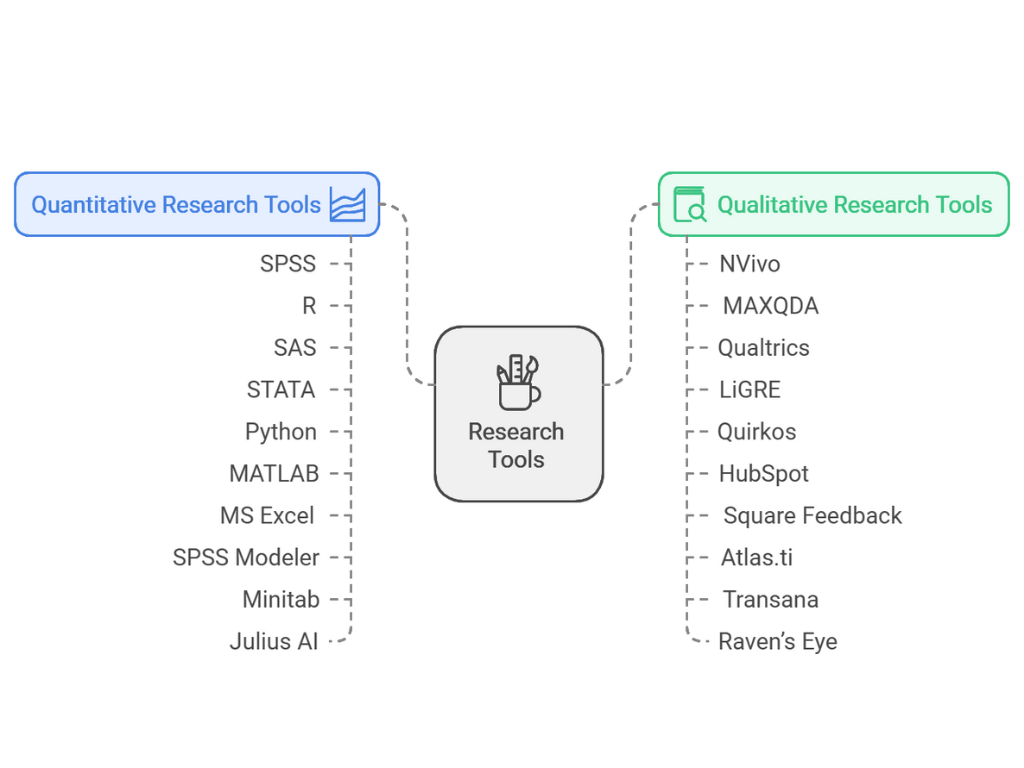
R
R Project is one of the most powerful environments for meta-analysis. Packages such as “meta” and “metafor” allow advanced statistical synthesis.
AI coding assistants are now helping researchers generate analysis scripts faster.
Python
Python is increasingly used in evidence synthesis and automated literature analysis. Researchers use Python for:
- NLP-based paper analysis
- Topic modeling
- Automated extraction
- Visualization
RevMan
RevMan is widely used in healthcare systematic reviews, especially for Cochrane-style meta-analysis.
SPSS and Stata
IBM SPSS Statistics and Stata remain popular for statistical analysis and evidence synthesis.
Research Collab
Research Collab supports collaborative evidence synthesis and shared research workflows.
The Biggest Benefit of AI in Systematic Reviews
The biggest advantage of AI is not just automation.
It is cognitive augmentation.
AI helps researchers:
- Reduce information overload
- Discover patterns faster
- Organize knowledge more effectively
- Minimize repetitive tasks
- Focus on critical thinking instead of administrative work
This allows researchers to spend more time interpreting findings and developing insights.
However, AI tools should not replace human expertise. Researchers must still critically evaluate studies, verify findings, and ensure methodological rigor.
Challenges and Limitations of AI Tools
Despite their advantages, AI tools still have important limitations:
- AI hallucinations
- Inaccurate summaries
- Missed studies
- Bias in recommendations
- Dependence on database quality
Researchers should therefore use AI tools as assistants rather than decision-makers.
The best systematic reviews combine:
- Human expertise
- Methodological rigor
- AI-powered efficiency
Final Thoughts
Systematic literature reviews are changing rapidly because of artificial intelligence.
What previously required months of manual effort can now be completed much faster using AI-powered workflows.
Researchers who learn these tools early will gain a major advantage:
- Faster evidence synthesis
- Better organization
- Improved research productivity
- More comprehensive literature coverage
The future of systematic reviews is not fully automated research.
It is intelligent collaboration between researchers and AI systems.
Dear Dr. Faheem,
Thank you so much for sharing this newsletter to know more about the features of AI tools and its support to be closely familiar to pursue research with confidence.