One of the most difficult parts of writing a research paper is the methodology section. I often receive messages from PhD students and early-career researchers asking the same question:
“What exactly should I write in the methodology chapter?”
The answer is surprisingly simple.
The methodology chapter explains exactly how you conducted your research. It tells readers exactly what you did, why you did it, and how your findings can be trusted. Think of it as a recipe for your research. If someone wanted to repeat your study, the methodology section should provide enough details for them to do so.
Unfortunately, many researchers either write too little information or include unnecessary details that make the section confusing. A strong methodology section should be clear, logical, and easy to follow.
AI tools of the week:
Bloome: Brings Claude, ChatGPT, and DeepSeek in one place for researchers

PatSnap Eureka: AI research agent that turns patents and papers into actionable tech solutions.

ResearchCollab: An AI tool for literature reviews and identifying research gaps.

Thesify: An AI-powered platform reviewing thesis and research papers

Why the Methodology Section Matters
The methodology section is one of the most important parts of any research paper because it determines the credibility of your study. Even if your findings are interesting, readers will question them if your methodology is weak or poorly explained.
Journal reviewers often pay close attention to this section because they want to know:
- Was the research designed properly?
- Were appropriate methods used?
- Can the results be trusted?
- Can another researcher replicate the study?
A well-written methodology section increases the chances of your paper being accepted and improves the overall quality of your research.

Research Design: What Type of Study Did You Conduct?
The first thing readers need to know is the type of research you conducted.
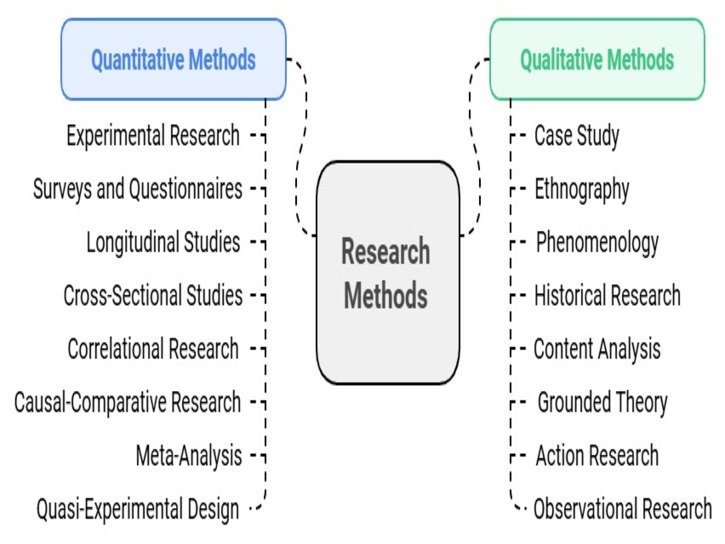
Did you use a qualitative approach, a quantitative approach, or a mixed-methods design? Was your study experimental, observational, survey-based, or based on secondary data?
This section should explain your overall research approach and justify why it was appropriate for answering your research questions.
For example, if you are studying the impact of climate change on the global economy, you might use a mixed-methods approach by combining economic data with policy reports and qualitative insights.
Many students simply mention that they used a quantitative or qualitative approach without explaining why they selected that method. Always provide a justification for your research design.
Data Collection: Where Did the Data Come From?
The next step is explaining where your data came from.
If you collected primary data, explain how you conducted surveys, interviews, experiments, or observations. If you used secondary data, clearly mention the databases, reports, and repositories used in your research.
Readers should understand:
- What data was collected?
- Where was it obtained?
- Why were these sources selected?
For example, a climate change study might use data from international organizations such as the IPCC, NASA, or the World Bank because these sources are widely recognised and highly reliable.
One of the biggest mistakes researchers make is failing to provide enough details about their data sources. This makes it difficult for others to verify or replicate the study.
Dataset: What Data Did You Use?
After discussing the data source, describe the dataset itself.
This section should explain:
- The time period covered by the data.
- The sample size.
- The countries, organisations, or participants included.
- The variables or indicators used in the study.
For example, your dataset might include economic and climate data from 2000 to 2023 and cover developed, emerging, and developing economies.
Providing these details helps readers understand the scope of your study and whether the findings can be generalised.
In my experience, many researchers underestimate the importance of this section. However, clearly describing your dataset significantly improves the transparency and quality of your paper.
Data Analysis: How Did You Analyse the Data?
This is often the heart of the methodology section.
You need to explain exactly how you analysed your data and why you selected particular analytical methods.
For quantitative studies, this might involve:
- Descriptive statistics
- Regression analysis
- Machine learning techniques
- Structural equation modelling
- Hypothesis testing
For qualitative studies, you may use:
- Thematic analysis
- Content analysis
- Grounded theory
- Case study analysis
The key is not simply mentioning the method but explaining why it was appropriate for answering your research questions.
For example, regression analysis may be used to understand how changes in climate indicators influence economic growth, while thematic analysis may help identify policy responses to climate challenges.
A common mistake is assuming that readers already understand your methods. Never assume this. Explain your analytical approach clearly and systematically.
Results Validity: Why Should Readers Trust Your Findings?
A strong methodology section also explains how you ensured the reliability and validity of your results.
This may include:
- Using data from credible sources.
- Combining multiple datasets.
- Applying triangulation techniques.
- Conducting robustness checks.
- Validating models using different approaches.
This section is particularly important because it demonstrates that your findings are trustworthy and scientifically sound.
Journal reviewers often look for evidence that the researchers have taken appropriate steps to minimise errors and improve the robustness of their results.
Ethical Considerations: Did You Follow Ethical Guidelines?
Finally, every methodology section should address ethical considerations.
If your study involves human participants, you should explain issues such as:
- Informed consent
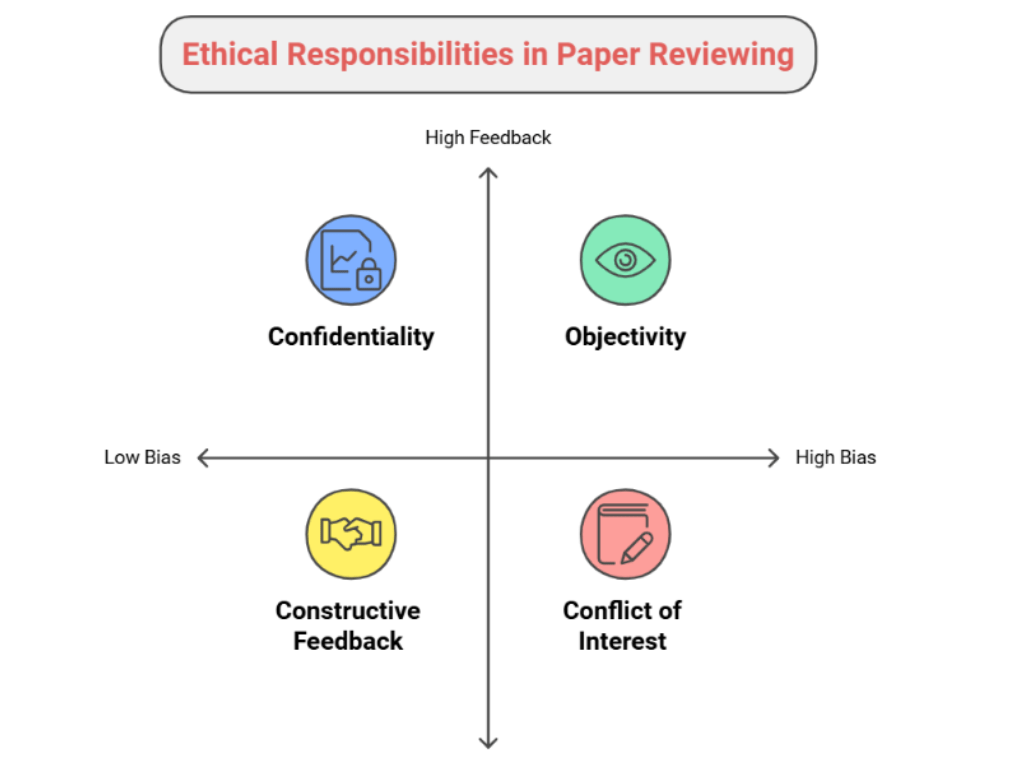
- Confidentiality
- Privacy protection
- Ethics committee approval
Even if your research uses only publicly available secondary data, you should still mention that all sources were properly acknowledged and that the study followed principles of academic integrity.
Many researchers ignore this section, but ethical considerations are increasingly important in academic publishing.
A Simple Template for Writing a Methodology Section
If you are unsure where to start, think of your methodology section in this order:
- Research Design
- Data Collection
- Dataset Description
- Data Analysis
- Reliability and Validity
- Ethical Considerations
Following this simple structure can make the methodology section much easier to write and much easier for readers to understand.
Final Thoughts
The methodology section is not just a technical requirement in a research paper. It is the foundation that supports your entire study.
Why a Strong Methodology Matters
A strong methodology explains exactly how you conducted your research, demonstrates the credibility of your findings, and allows other researchers to replicate your work.
Whenever I review research papers, I often find that excellent studies are weakened by poorly written methodology sections
The next time you sit down to write your methodology section, remember these six questions:
- What type of study did I conduct?
- Where did my data come from?
- What dataset did I use?
- How did I analyse the data?
- Why can readers trust my findings?
- Did I follow ethical guidelines?
Answer these questions clearly, and you will already have the foundation of an excellent methodology section.